World of IoT Roundup: How Connection is Keeping the World Moving

The world is more connected than ever, and this year has shown just how far cellular IoT can reach—literally and figuratively. From the factory floor to the corner coffee shop, connected devices are quietly orchestrating the way businesses operate, making processes smarter, safer, and faster. Industrial pipelines report their own maintenance needs before a single engineer even steps on site. Retail and vending machines track inventory and sales in real time, ensuring products are available when customers want them. Even the packages you order online might be monitored and rerouted mid-delivery to arrive precisely on time.
Cellular connectivity is the backbone of this revolution. It allows devices to transmit data across cities, countries, and continents, delivering actionable insights without the delays of manual monitoring or wired networks. And while the technology itself is impressive, the real excitement comes from the creativity of businesses putting it to work, leveraging IoT in ways that not only solve problems but also open new opportunities.
In this quarter’s World of IoT roundup, we’re spotlighting the coolest, most innovative deployments that demonstrate the sheer power and versatility of connected devices. Cellular IoT is keeping the world moving, often in ways most people never notice. We’re sharing these stories because they represent what’s possible when technology meets ingenuity, and we’re here to help enterprises harness that power for their own operations.

Coke&GO: AI + Vision-Powered Coolers
Coca‑Cola Europacific Partners (CCEP) is rolling out a fleet of AI-powered “Coke&GO” smart coolers across New Zealand, using computer vision to identify which drink a consumer picks and charging them automatically.
These coolers let people tap a card or scan a QR code to open the door, then walk away after grabbing their drink. Cameras inside track what was taken, and inventory data gets sent back so restocking can be smarter.
Why it’s cool (pun intended):
- Real-time inventory tracking reduces restock delays and out-of-stock issues
- AI + image recognition creates a smooth, “grab-and-go” user experience
- Smart coolers = more efficient operations, fewer maintenance calls, and better data on consumer behavior
Solve’s Take: This kind of AI + IoT combo is exactly the type of innovation we want to support. Cellular connectivity makes it scalable, since coolers can be deployed in remote or high-traffic areas without relying on WiFi.

Smarter Parking, Smarter Cities
This year, urban planners rolled out a smart parking system that leverages IoT sensors and fog computing to monitor occupancy in real-time. Parking availability is displayed to drivers via mobile apps, reducing congestion and improving city traffic flow.
Real-time data, delivered over reliable cellular IoT networks, is transforming urban mobility. These sensors are low-power but require consistent connectivity across entire city blocks, which is exactly where multi-network SIM solutions shine.
Solve’s Take: Whether you’re deploying thousands of sensors in a downtown grid or a suburban lot, managing them centrally with flexible cellular connectivity ensures uptime and performance, without sending crews out to troubleshoot every node.
A Better Pour: Powering Coffee Machines in Hospitality
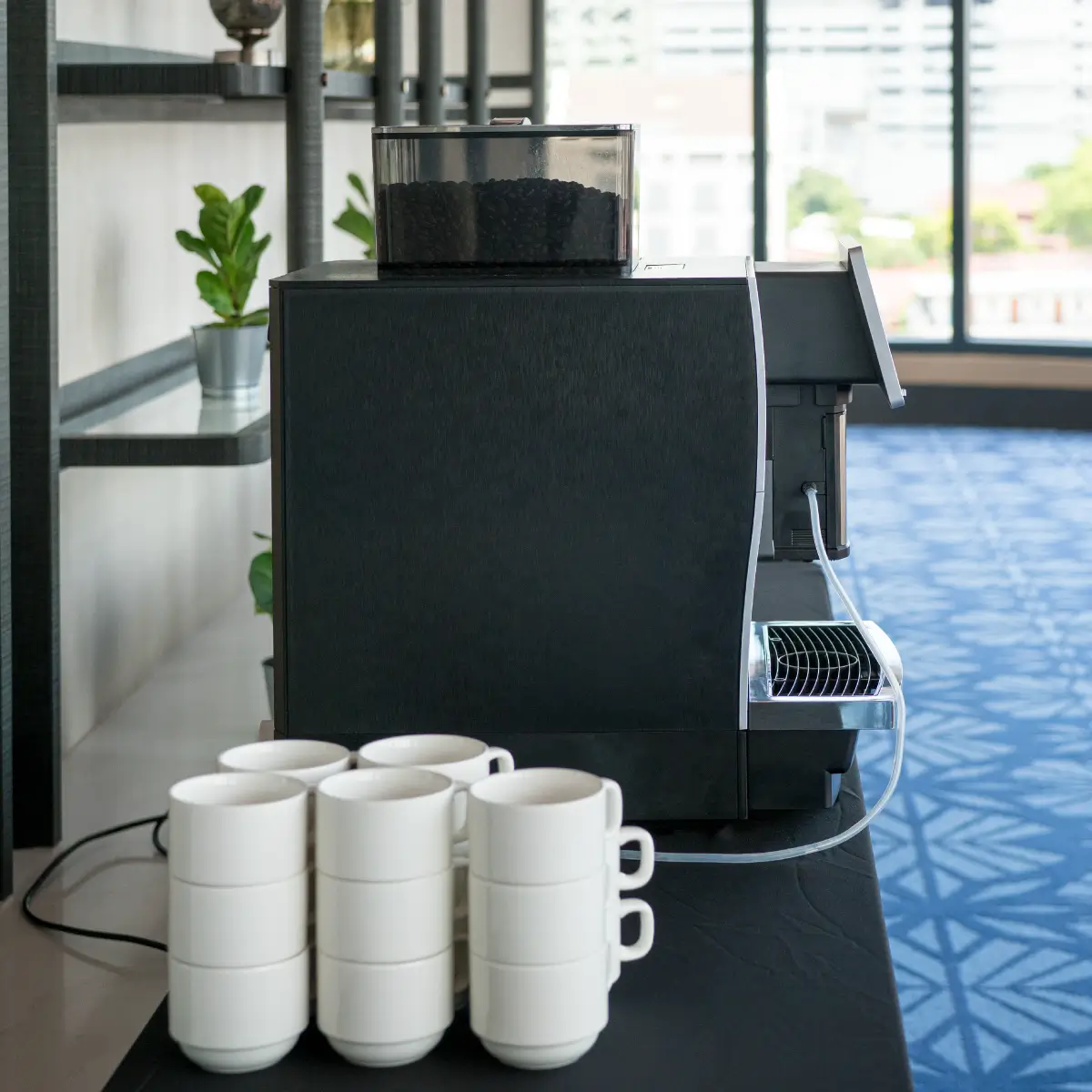
One of our favorite newer IoT stories comes from the hospitality world, where coffee machines aren’t just brewing, they’re talking. Hotels and cafés are outfitting their coffee machines with sensors that track everything from cup counts and water usage to boiler cycles and pump performance.
These sensors connect to the cloud to send real-time usage data back to the supplier or service team. That means when a machine is acting up—or about to—someone on the backend knows quickly, before guests do. What’s more, this setup helps suppliers honor service agreements. By comparing how much coffee is dispensed vs. how many cups are actually served, they can detect discrepancies, reduce waste, and better plan maintenance dispatches.
Solve’s Take: This use case resonates deeply with our team. It’s not just about collecting data. It’s about building intelligence into something as everyday as a hotel coffee machine. By connecting these devices, you can reduce service costs, improve reliability, and make operations more efficient. For us, it highlights how even the most “mundane” equipment can be transformed through smart connectivity, and how a well-designed IoT plan can promote better performance, not just better coffee.

Legacy Plants, Smarter Sensors: IoT in Petrochemical Facilities
A pilot program deployed IoT sensors across legacy petrochemical equipment to monitor critical operational parameters such as pressure, temperature, and flow rates. These sensors feed live data back to central control rooms, where operators and AI-driven analytics work together to identify anomalies, optimize performance, and plan predictive maintenance schedules. The pilot demonstrated that even older, hard-to-upgrade machinery can benefit from modern IoT connectivity, transforming traditional plants into smarter, safer, and more efficient operations.
Why does that matter? Plants can now:
- Monitor machinery in real time
- Anticipate maintenance needs
- Reduce unplanned downtime
Operators gain reliable, high-frequency updates without the cost and complexity of running new fiber or cabling.
Solve’s Take: For industrial teams, connectivity is as critical as the equipment itself. Using multi-network SIMs, private APNs, and managed monitoring platforms, we ensure even the most remote sensors stay online. That means live data flows continuously to the people who need it, predictive maintenance works as intended, and operations run with fewer surprises.

From Offline to Online: Cellular IIoT Transforming Oil & Gas
A An industry report highlighted the rapid growth of cellular IIoT in oil and gas, covering applications like remote tank monitoring, pipeline sensors, and equipment telemetry. Previously offline equipment is now connected via cellular networks, allowing continuous data collection from sites that are often hard to access. Operators can now spot leaks, performance issues, and maintenance needs in real time, without sending teams into hazardous environments.
Oil and gas operations are spread across remote locations, offshore platforms, and sometimes hazardous zones. Manual inspections are costly and time-consuming, while also posing serious safety risks. Cellular IIoT transforms these operations by delivering near-instant insights into equipment status, pipeline health, and environmental conditions. Continuous monitoring reduces downtime, improves safety, and allows operators to act swiftly when anomalies arise.
Solve’s Take: With managed SIMs, enterprises can deploy thousands of devices while maintaining visibility, control, and security across multiple carriers. Cellular IoT provides not only coverage but operational intelligence, ensuring oil and gas operators can monitor every site in real time. The combination of flexible network access, multi-network redundancy, and proactive monitoring makes modern IIoT a game-changer for industrial operations, keeping critical systems online and safe.
At Solve Networks, we don’t just watch these developments. We enable them.
If any of these deployments (or ones like them) are part of your vision, we’d love to talk. Whether it’s a retail rollout, industrial remote-monitoring project, or smart infrastructure plan, we’re here to help architect connectivity that doesn’t just work, but works at scale.