Why Your SCADA System Needs Cellular Failover
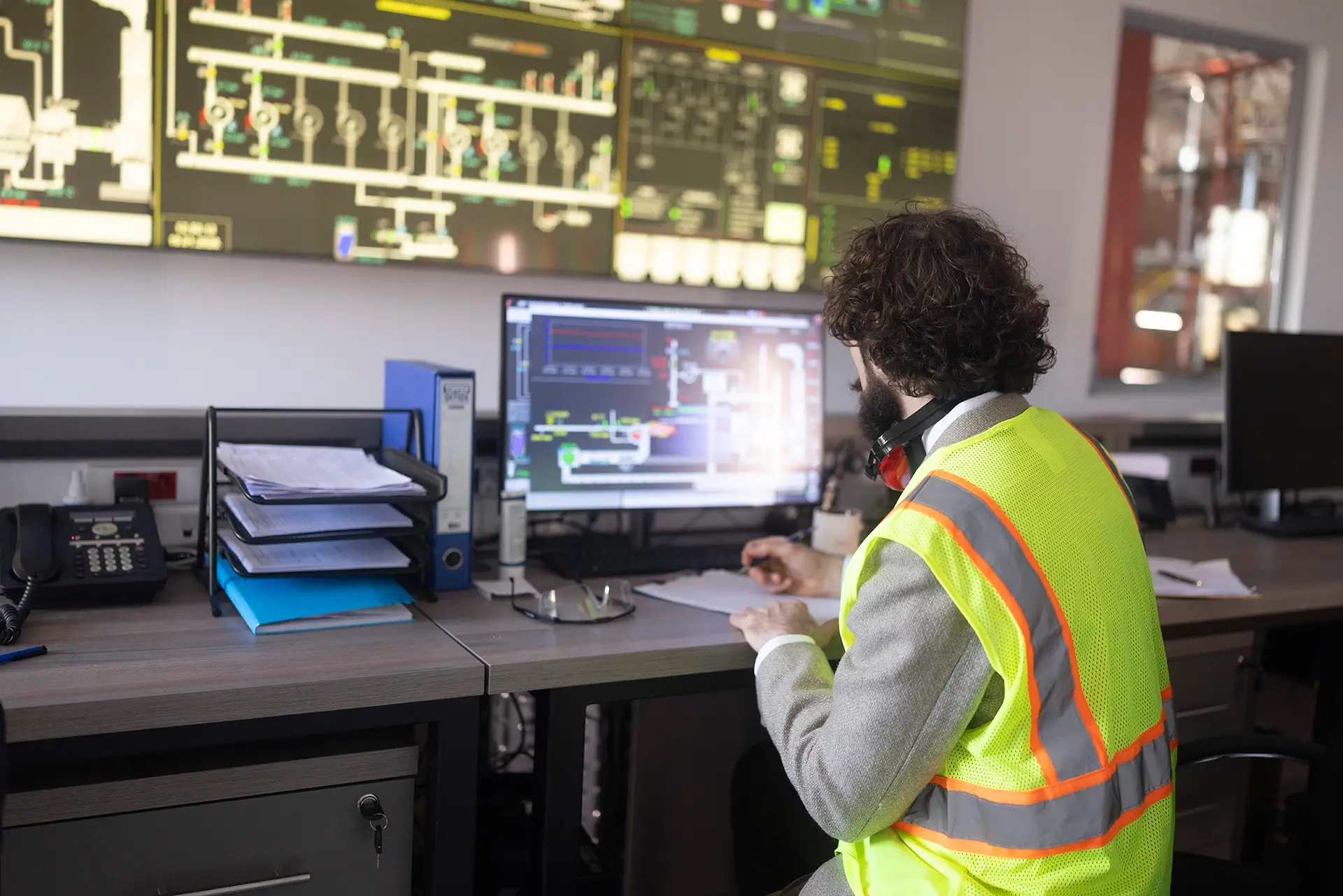
A remote wellhead went dark at 2:00 in the morning. No alarms fired. No data came through. Nobody knows there’s an issue yet.
By the time someone gets the call and a field technician makes the drive out, hours have passed. Pressure data that should’ve triggered a compliance report is missing. Equipment that needed to be monitored wasn’t.
The question that follows is always the same: could this have been caught earlier?
In most cases, the answer is “yes.” And the root cause often traces back to the same place: a single-carrier SIM that had nowhere to go when the connection dropped.
Why Single-Carrier Architecture Fails in the Field
When a cellular device authenticates to a carrier, it stays on that network by design. When that carrier experiences an outage, problems begin to surface. Suddenly, a feature of the network becomes a liability for your operation.
Whether it’s a tower outage, a coverage gap, or congestion during a peak maintenance window, the result is the same: the device loses its connection and immediately tries to reconnect to the same carrier. If that carrier is still down, the device stays offline — no fallback, no automatic handoff to another network. It just waits. And while it waits, your visibility into that remote site disappears.

This is a structural issue, not a coverage issue. Switching carriers doesn’t solve it. The only real fix is not being locked to a single carrier in the first place.
What Multi-Network Failover Actually Does
A multi-network SIM connects to Verizon, T-Mobile, and AT&T from a single card. When one network becomes unavailable, the SIM automatically routes to the next one — no human intervention, no truck roll, no interruption in data flow.
Your SCADA system keeps reporting. The wellhead stays visible. The people who need that data keep getting it.
That automatic switching is what makes this architecture worth the conversation, especially in remote oil & gas environments where you’re not staffing a network operations center to babysit every SIM in the field. The system needs to handle it on its own, and with multi-network architecture, it does.
What’s Actually at Stake in Oil & Gas
Downtime in oil and gas carries real consequences that go well beyond the inconvenience of a lost signal. Remote sites typically run with lean crews or none at all, which means pressure monitoring, flow measurement, and emissions reporting are entirely dependent on continuous, reliable data transmission. When cellular connectivity drops and stays down, compliance windows get missed, anomalies go undetected, and the safety margin that remote monitoring exists to provide simply isn’t there.
The downstream cost isn’t just a missing data point. It’s regulatory exposure, decisions that get deferred because the information wasn’t available, and the expense of rolling a field team to a site that a working connection would have covered remotely. For operators managing multiple remote assets, that adds up fast.
Failover Isn’t Enough Without Visibility
Automatic carrier switching keeps your devices online, but knowing that a failover happened — and understanding what triggered it — is just as important as the failover itself.
Which carrier failed? How long was the gap before the backup network took over? Is your current SIM architecture actually performing the way you need it to?
Solve’s Clarity™ portal answers those questions. When failover occurs, Clarity logs it, giving you a record of what happened and the visibility to evaluate whether your connectivity setup is doing its job. The goal of multi-network architecture is to keep your sites online without requiring constant attention — and Clarity makes sure you can verify that it’s working.
If you’re not sure which carrier your remote devices are locked to right now, that’s worth finding out. Talk to Solve Networks about building a more resilient SIM architecture for your field operations.