Solving Remote Pipeline Monitoring: A Multi-Network SIM and LEO Satellite Case Study
Keri Gunther, General Manager
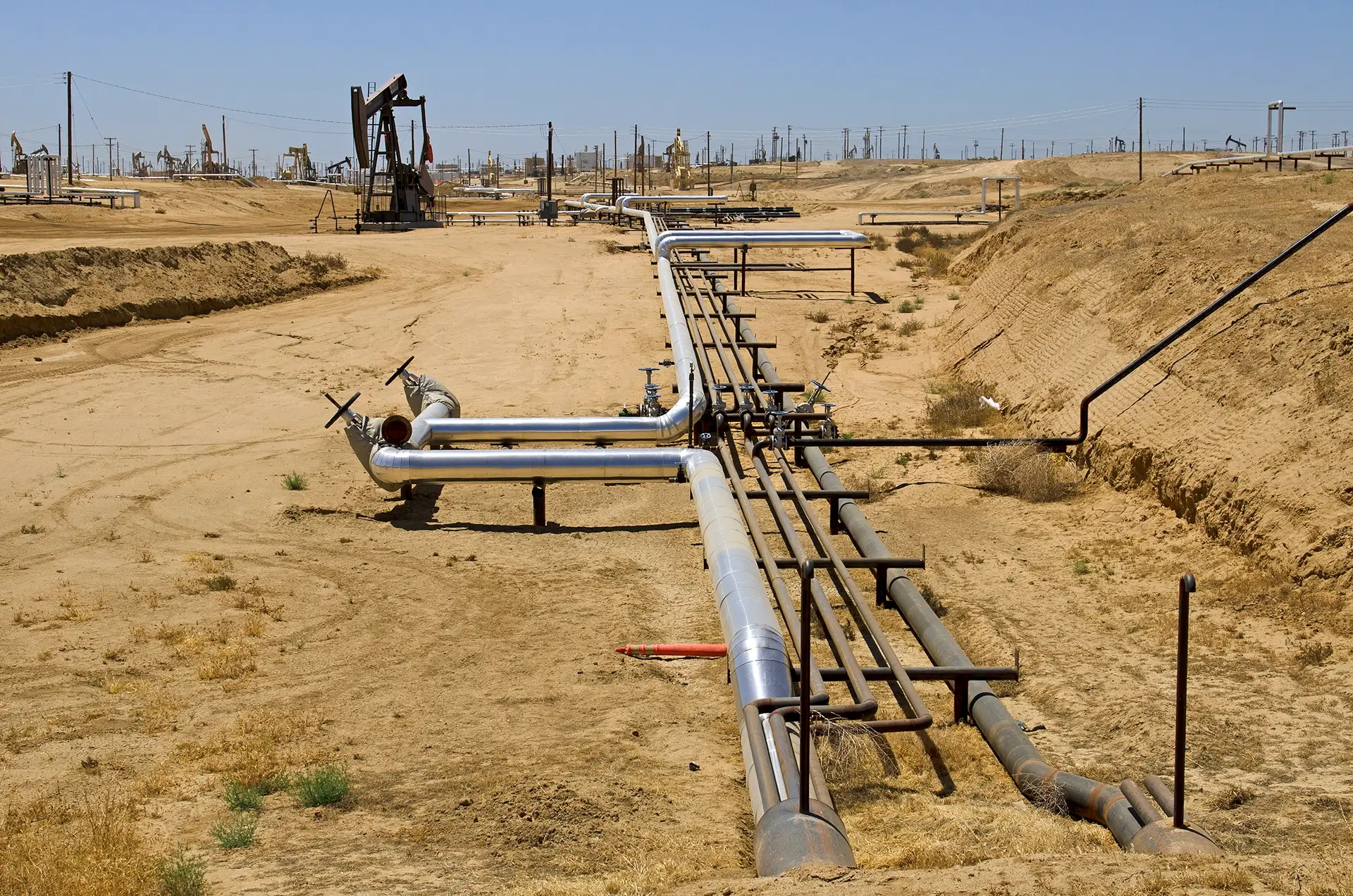
When a pipeline runs through West Texas, New Mexico, and rural Oklahoma, connectivity isn’t a guarantee. No single cellular carrier covers the full length of a remote pipeline corridor, which creates a serious problem for companies that depend on 24/7 monitoring to keep operations running. This story is an example of how one additive supplier solved that problem — first with a multi-network SIM, and later with LEO satellite — to reach full visibility across every asset on the line.
The Challenge: A Coverage Problem Hiding in Plain Sight
The customer manufactures a chemical additive injected into pipelines to increase fluid flow speed. Their equipment has to be monitored continuously — meaning they need a strong connectivity backbone. Because their pipeline assets were spread across multiple state lines, cellular coverage got thin.
Initially, the customer relied on a single-carrier setup. But in areas this remote, no individual network provider offers full coverage. Constant dead zones led to blind spots, which led to real risk for their operation.
The First Fix: A Multi-Network SIM Built for Total Coverage
Solve Networks replaced the single-carrier setup with a multi-network SIM card — one SIM with simultaneous access to all three major U.S. network providers, plus automatic fallback if one network drops. Instead of relying on a single carrier’s coverage map, the customer’s equipment could connect to whichever network was strongest in that exact location.
The result? 100% uptime across every asset on the pipeline.
What About Locations With No Cellular Signal?
Even with multi-network coverage, some sections of the pipeline sat in areas with no cellular signal whatsoever. When we deployed our LEO (low Earth orbit) satellite connectivity, we were able to help close that additional gap.
With multi-network cellular and satellite connectivity layered together, the customer now has a single connectivity strategy spanning every asset on the pipeline — whether it’s near a cell tower or completely off-grid.
The Payoff: One Invoice + One Support Line = Total Visibility
Combining multi-network SIM and LEO satellite connectivity didn’t just solve the coverage problem for this customer — it simplified everything around it. They now manage their entire connectivity footprint through:
- One invoice (instead of juggling multiple carrier and satellite bills)
- One technical support relationship (instead of coordinating across vendors)
- One unified view of every connected asset, cellular or satellite
For a company that used to worry about coverage gaps, the outcome is full-network visibility without the operational overhead of managing multiple providers to get there.
Beyond the Pipeline: A Blueprint for Any Remote Operation
While this deployment centers on oil & gas, the same challenge can show up anywhere critical equipment operates outside reliable cellular range: utilities, remote industrial sites, agriculture, and fleet operations all face versions of this same problem. Wherever your assets are, Solve Networks builds the connectivity strategy to reach them.
About the Author

Keri Gunther is General Manager of Solve Networks, bringing 25 years in industrial technology to the job of solving connectivity for the toughest IIoT environments. Before joining Solve, he spent 13 years at Moxa as IIoT and Computing Division Manager, building global account relationships and go-to-market strategy around edge computing — experience that now shapes how he sees the whole picture for Solve’s customers. He’s spent the last five years at Solve focused exclusively on the industrial connectivity problem, and he’ll tell you it’s the most interesting work he’s done yet. Off the clock (if there is such a thing in connectivity), you’ll find him working on his golf game or planning the next trip to see family in Switzerland.